




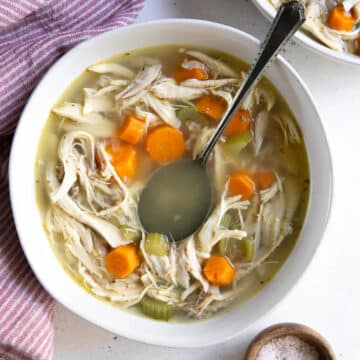
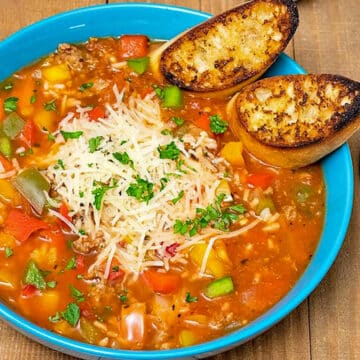
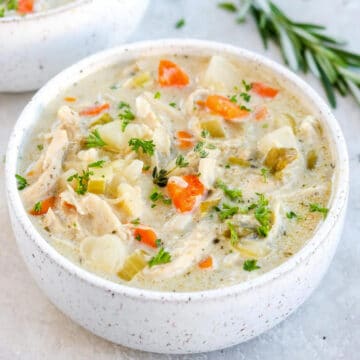
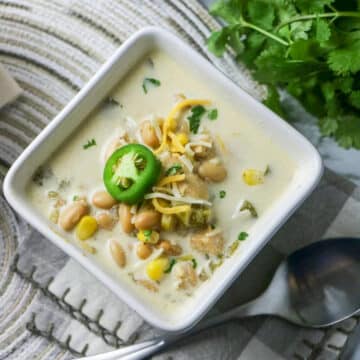
It's fall, and that officially signals soup season! And although I eat soup all year 'round, it's when autumn hits that I really start craving it and am compelled to get all cozy and snuggle up with a warm bowl of soup. In celebration of fall, I have rounded up a great selection of Delicious and Healthy Fall soup recipes from myself and my fellow food bloggers. I've hand-picked soups using seasonal produce like squash, carrots, cabbage, spinach, leeks, and pumpkin, to name a few.

In this round up of Healthy Autumn Soup recipes, I have also included recipes for French onion soup, Butternut Squash soup, Tomato Basil Soup, Cauliflower Soup, creamy soups, soup with white beans, sweet potatoes, and vegan soup, Weight Watchers friendly soups, and many more!
These healthy soup recipes are obviously popular in the fall season, especially as the weather gets cooler. So, if you're looking for the best fall soup recipes, I have them all right here. You're sure to find something you'll love!
Jump to:
Healthy vs. Light, Low-fat, and Weight Watchers Fall Soups
Now I need to point out that healthy doesn't necessarily always mean light, low-fat, or Weight Watchers friendly. Although most of these healthy soups meet that criteria, there are a few that contain heavy cream.
Fortunately, most of these fall soup recipes include variations or substitutions to lighten up the recipe if you choose to do so.
- Light or fat-free sour cream can be used as a substitute for regular sour cream
- Light or fat-free cheddar can be substituted for regular cheese
- In most cases, you can use a mixture of low-fat milk and non-fat Greek yogurt in place of heavy cream (Tip: I also add a little bit of condensed milk to balance the tangy flavor).
These healthy fall soups also include lactose-free, dairy-free, paleo, and gluten-free options.
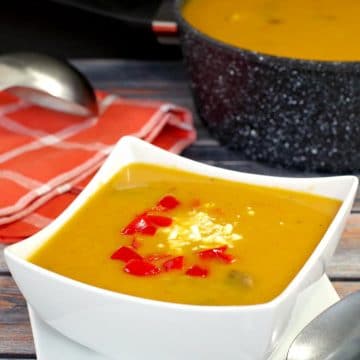
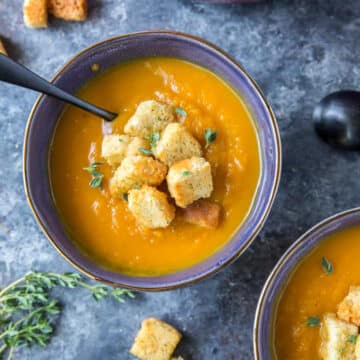
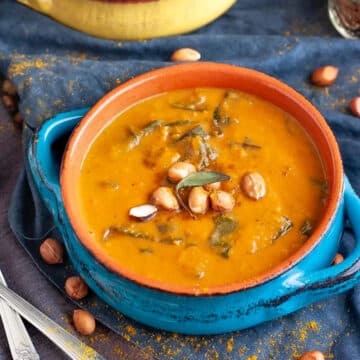
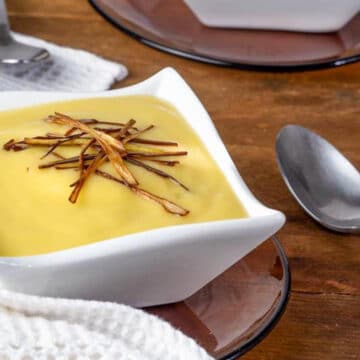
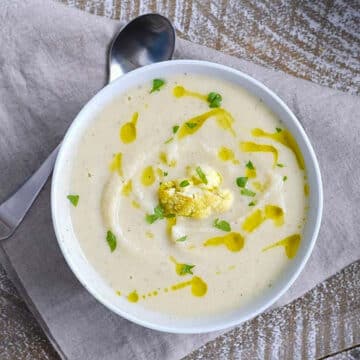
Creamy Fall Soups





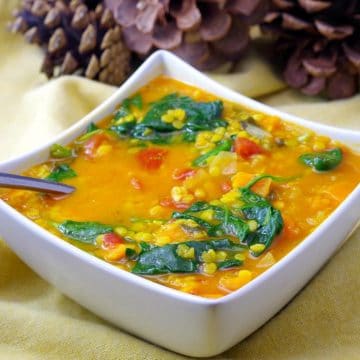
Vegetarian Fall Soups
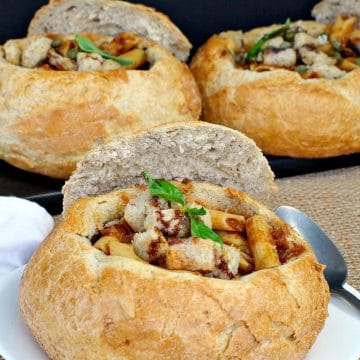
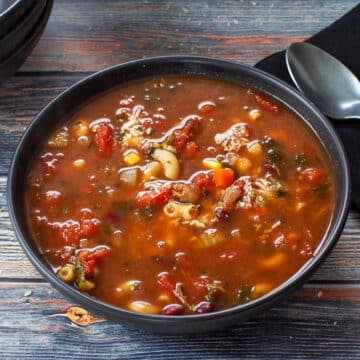
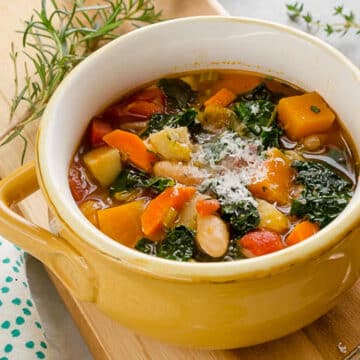
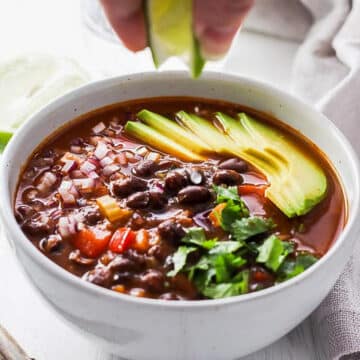



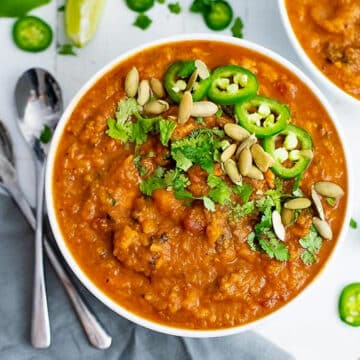
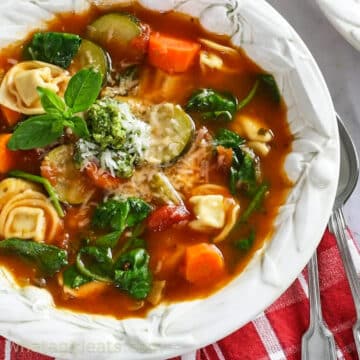
Meaty Fall Soups


Expert Tips for Making Healthy Fall Soups
- If you plan to freeze your soup, cook and freeze it without the dairy or pasta. Noodles and dairy don't tend to reheat well after being frozen; dairy curdles, and pasta turns mushy when reheated. As you're reheating it, stir in uncooked pasta and simmer until the pasta is tender; or add the dairy and gently heat the entire soup through-just don't let it boil, or the dairy will curdle.
- Layer flavors from the start - Sauté onions, garlic, and other aromatics before adding broth or vegetables. This builds a deeper flavor base and elevates even simple soups.
- Use seasonal produce at its peak - Squash, sweet potatoes, leeks, and root vegetables not only taste better in the fall but are also more affordable and nutrient-dense when in season.
- Balance texture - For creamier soups without heavy cream, puree part of the soup (about ⅓ to ½) and stir it back in. This keeps the soup thick and satisfying while maintaining texture from chunks of vegetables, beans, or meat.
- Don't underestimate herbs and spices - Fresh herbs like thyme, rosemary, and sage bring out earthy fall flavors, while spices like cumin, smoked paprika, nutmeg, and turmeric add warmth and depth. Add delicate herbs (like parsley or basil) near the end so they don't lose flavor.
- Enhance with acid - A splash of lemon juice or vinegar at the end brightens flavors and prevents soups from tasting flat, especially with bean or lentil-based soups.
- Use homemade or low-sodium broth - Store-bought broth can be high in sodium. Opt for low-sodium versions and season to taste, or make your own with vegetable scraps or leftover bones for richer flavor.
- Boost protein and fiber - Add beans, lentils, quinoa, or barley to make soups heartier and more filling while keeping them healthy.
- Add dairy the right way - If your soup calls for milk, yogurt, or cream, stir it in after removing the soup from direct heat to avoid curdling.
- Keep greens vibrant - When adding spinach, kale, or other leafy greens, stir them in at the very end of cooking. They'll keep their bright color and fresh flavor.
- Finish with toppings - A garnish of fresh herbs, toasted seeds, croutons, or a drizzle of olive oil can turn a simple bowl of soup into something special while adding extra texture and nutrition.
🥗 What to Serve with Healthy Fall Soups
Although soup makes a great side, it's a hearty meal on its own. Soup goes well with so many side dishes, including bread, such as my Bread Machine Italian Breadsticks (shown below), Bread Machine Onion & Olive Bread, or Granny Buns (Dinner Buns). If you're looking for something lighter and WW friendly, check out my Everything Bagel Cloud Bread Recipe!

Soup also pairs well with salads, such as my Spinach Salad and Mandarin Orange Salad Recipe. If you're looking for a cracker to pair with a simple fall soup, try these Leftover Stuffing Crackers!
🍽Equipment
An immersion blender (affiliate link) is a great tool to have for making soups or anything else that needs pureeing (mayonnaise, etc.) I linked to the winner of the Serious Eats Immersion blender test so you can see the results and how each blender scored if you're interested in investing in one.
Although you can use a food processor (affiliate link), an immersion blender is more convenient. Not to mention, if you put hot soup (or other hot liquids, for that matter) in a blender or food processor, it will steam and expand in the blender, which can push the top off and blow hot liquid all over, causing a mess and potential burn hazard.
*If you DO use a blender or food processor when pureeing hot soup, do it in small batches and only fill it no more than half. It's actually best to let it cool before you do this. However, I really recommend an immersion blender (no risk!) and you don't have to wait around for the soup to cool.
🌡️Storage
It's best to let soup cool (uncovered) before putting the lid on the container and putting it in the fridge or it can turn sour. But do not leave soup out at room temperature for more than 2 hours or bacteria will start to grow.
Another reason to love soup? It's easy to freeze, meaning you can make a double or triple batch and freeze leftovers for future meals. Don't you love cooking once and eating twice (or more)?! It's hard not to love a make-ahead meal.
Each recipe will have specific storage instructions, but soup generally lasts 3-4 days in the fridge in an airtight container. Many soups can be frozen, but check the storage instructions for each individual soup.
❔ Recipe FAQs
You can purée part of the soup with an immersion blender, add mashed beans or potatoes, or stir in a slurry of cornstarch and water. These options keep the soups lighter while still creating a creamy consistency.
Frozen vegetables work well in most of these recipes. They're picked at peak freshness and can save time on prep. Just be mindful that they may cook faster than fresh, so keep an eye on the texture.
A large heavy-bottomed pot or Dutch oven is ideal, since it distributes heat evenly and prevents burning. Slow cookers and Instant Pots also work great for many of these recipes.
Didn't find the answer you're looking for?
Ask AI to answer based on this specific recipe
If you're looking for a healthy fall soup, try some of these soup ideas. Make a big pot of soup, get cozy, and enjoy!






Nettie Moore says
I want to try them all! I love soup recipes 😋 looks delicious!
Nettie